Freeze Protection for Flagstaff-Area Cabins and Second Homes: Where Insulation Fits In
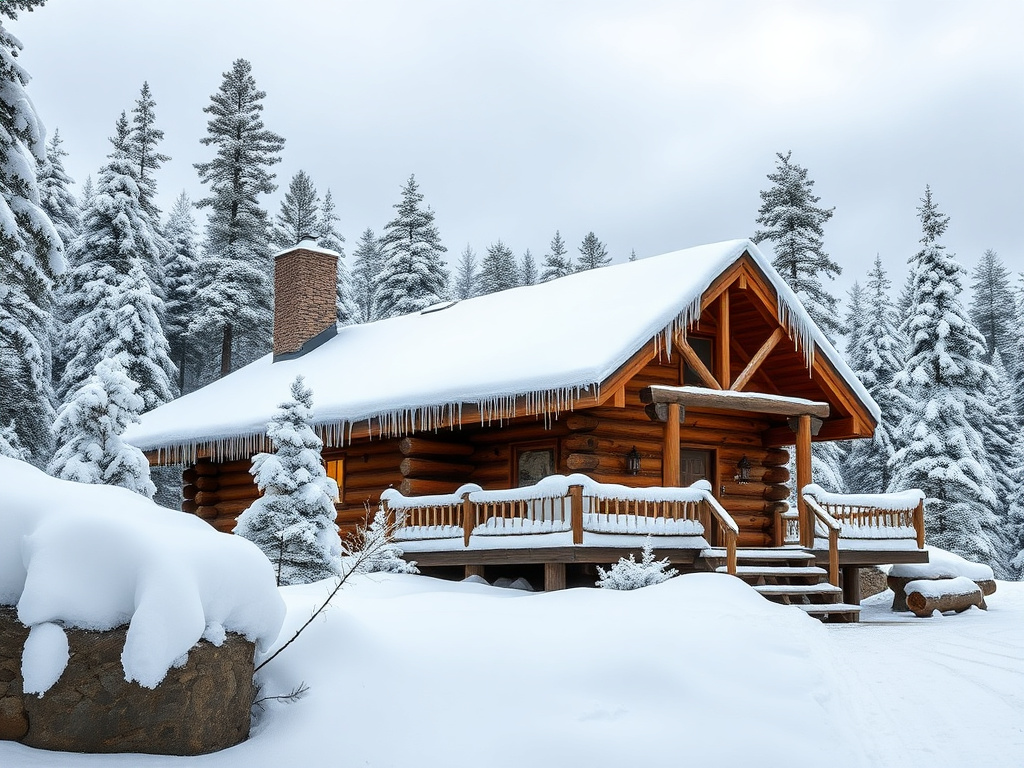
Owning a cabin or second home in the Flagstaff high country — around Munds Park, along the Lake Mary corridor, or tucked into the ponderosa pines near Kachina Village and Mountainaire — comes with a specific winter risk that a full-time home doesn't face the same way: nobody's there most days to notice a problem developing. A furnace that's quietly struggling, a thermostat that's drifted low, or a room that's slowly losing its battle against a hard freeze can go unnoticed for days or weeks between visits, and by the time anyone finds out, it's often because a pipe has already burst.
Why vacancy changes the math
In a full-time home, an under-insulated envelope is mostly a comfort and cost problem — the furnace works harder, the heating bill runs higher, but a person in the house notices a cold room and can react. In a cabin or second home that sits vacant or lightly occupied for stretches of winter, that same under-insulated envelope becomes a structural risk. Most owners run the thermostat low while away — often in the 45-55°F range — specifically to protect plumbing while saving on heating cost. That strategy only works if the building envelope can actually hold that setpoint against Flagstaff's real winter cold. A leaky, poorly insulated attic, wall, and crawl space or rim joist can let interior temperature drop far faster than the thermostat setting would suggest, especially in the coldest, most exposed parts of the home — often exactly where pipes run.
How a frozen pipe actually happens
Pipes freeze when the water inside them drops to 32°F for long enough for ice to form, and the ice then expands and can crack the pipe — the damage usually only becomes obvious when the ice thaws and water starts flowing through the crack, often while nobody's there to catch it early. The plumbing most at risk isn't usually in the middle of a heated living space; it's in the coldest, most exposed zones — an uninsulated crawl space, an exterior wall cavity, or a rim joist where cold air infiltrates most easily. Those are precisely the areas that benefit most from spray foam's combination of insulation and air-sealing.
Where insulation fits into a freeze-protection plan
- Attic and roofline — reduces the rate at which the whole structure loses heat, giving the interior more of a buffer if the furnace has an outage or the power goes out
- Exterior walls — especially around plumbing runs, closing the air gaps that let cold penetrate directly to the pipe location
- Rim joist and crawl space or basement — often the single biggest source of cold infiltration near ground-level plumbing, and one of the more overlooked areas on a cabin that's had insulation added piecemeal over the years
- Combined with, not instead of — pipe insulation (foam sleeves), heat tape on exposed runs, and a monitored or smart thermostat that alerts on a temperature drop remain part of a complete plan
Why this matters more in Munds Park and similar communities
Higher-elevation seasonal communities along the I-17 corridor, including Munds Park, see a higher share of part-time and vacation-use homes than Flagstaff proper, and correspondingly more homes sitting unattended through the coldest stretches of winter. A properly insulated and air-sealed envelope doesn't replace an owner's freeze-protection habits — leaving the heat on at a safe minimum, shutting off and draining exterior hose bibs, having a neighbor or property manager check in — but it meaningfully extends how long the structure can hold safe temperatures if something goes wrong, and it lowers the baseline heating cost of keeping the place warm enough between visits in the first place.
The retrofit reality on an older cabin
A lot of the cabin and post-and-beam housing stock around Kachina Village, Mountainaire, and Munds Park predates current Zone 5B insulation guidance by decades, often with insulation that's settled, thinned, or was never adequate to begin with. Because these are frequently smaller, more contained structures, a focused retrofit — attic, rim joist, and any accessible crawl-space walls — is often a realistic, moderately scoped project rather than a full-home overhaul, and it's one of the more direct ways a seasonal-home owner can reduce winter risk.
Frequently asked questions
Many owners use a range around 45-55°F as a starting point to protect plumbing while limiting cost, but the right number depends heavily on how well-insulated and air-sealed the home actually is — a leaky, thin-insulated cabin may need a higher setpoint to stay safe than a properly insulated one. This is a question worth discussing with your insulation contractor and a plumber together, not guessing at.
No — it's an important part of a complete plan, not a standalone fix. Pipe insulation, heat tape on exposed runs, keeping the furnace running at a safe minimum setpoint, and some form of remote temperature monitoring all remain necessary. What spray foam does is reduce how fast the structure loses heat in the first place, which makes every other part of that plan more effective and more forgiving if something goes wrong.
Ready for a free quote?
Tell us about your home and we'll build a clear, no-pressure quote.